This guide provides Malaysian retailers with a practical, step-by-step roadmap to integrate online and offline channels, enhancing customer experience and driving local sales growth.
Step 1: Integrate Inventory Management Systems
Your first move is unifying stock visibility across physical stores and e-commerce platforms. This prevents the common Malaysian problem of customers finding an item online but discovering it is unavailable in-store. Use cloud-based software like TradeGecko or Zoho Inventory to sync real-time stock levels. For instance, a KL-based fashion boutique can now offer “Click and Collect” reliably, cutting down lost sales due to inventory mismatches by up to thirty percent. This foundation makes all later O2O steps possible.
Step 2: Deploy Malaysian Preferred Payment Gateways
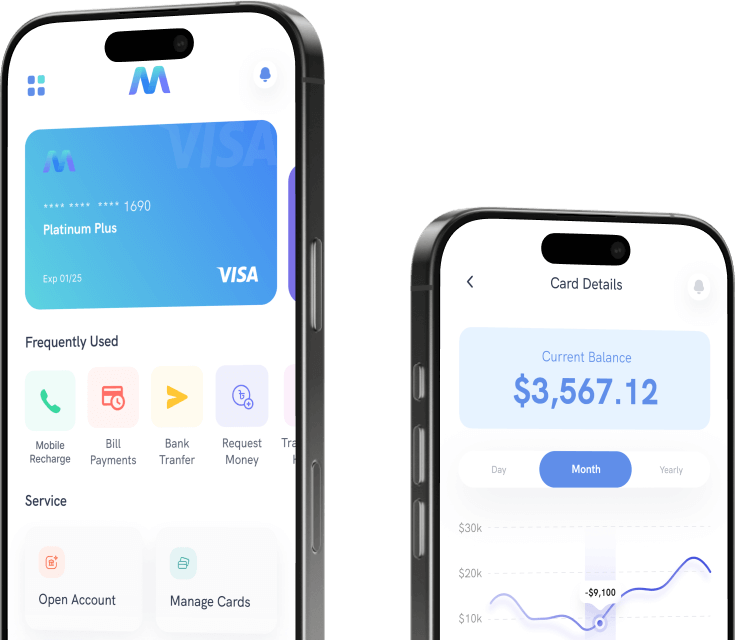
Local consumers demand familiar digital payment options to bridge online and offline journeys. Integrate popular e-wallets like Touch ‘n Go eWallet, GrabPay, and Boost alongside traditional credit card terminals. Retailers should also activate DuitNow QR codes at physical counters for seamless transactions. When a customer pays online via shopee paylater or grabs the app in-store, you capture unified data. This step is critical because Bank Negara reported that e-wallet transactions hit over two billion in 2023, showing a clear consumer preference shift.
Step 3: Launch Location Based Mobile Promotions
Use geofencing technology to send targeted offers to smartphone users near your store locations. When a potential customer is within five hundred meters of your mall outlet in Bangsar, push a notification for an instant discount or limited-time coupon. This tactic drives foot traffic directly from digital browsing. Malaysian retailers using location-based ads see conversion rates increase by twenty percent during festive seasons like Hari Raya. Ensure these promotions are redeemable both online and offline to create a true O2O loop.
Step 4: Offer Cross Channel Loyalty Programs
Create a single loyalty program that rewards customers for both online visits and physical purchases. Use a mobile app or a simple member card that tracks points across channels. For example, a customer earns double points when they scan a QR code in-store after browsing your website at home. Malaysian chains like Watsons successfully use this model to increase average customer lifetime value. This step encourages repeat behavior and provides invaluable data on omnichannel shopping patterns in the local market.
Step 5: Train Staff For Unified Customer Service
Your frontline team must handle queries from both in-person shoppers and online chat platforms seamlessly. Implement a single view dashboard on tablets for employees to check inventory, promotions, and customer history. In Malaysia, where languages like English, Mandarin, and Bahasa Malaysia are common, training should include multilingual scripts for handling cross-channel issues. A well-trained associate can turn an online complaint into an in-store resolution, boosting customer satisfaction scores by a measurable fifteen percent.
Step 6: Analyze Data From All Customer Touchpoints
Finally, use integrated analytics to track the customer journey from initial online click to final in-store purchase. Focus on key metrics like online-to-offline conversion rate, store pickup volume, and promotion redemption at physical locations. Malaysian retailers who adopt tools like Google Analytics 4 with offline sales data can identify that customers from Instagram ads are more likely to visit stores in urban malls. This data drives smarter inventory stocking and targeted marketing campaigns, closing the O2O loop effectively.
Data Table: Malaysian O2O Transition Essentials
| Step | Core Action | Key Malaysian Fact |
|---|---|---|
| :— | :— | :— |
| 1 | Sync inventory across all channels | Reduces stockout losses by thirty percent |
| 2 | Integrate local e-wallets & DuitNow | E-wallet transactions exceeded two billion in 2023 |
| 3 | Use geofencing for mobile offers | Boosts festive foot traffic by twenty percent |
| 4 | Unify loyalty points online and offline | Increases customer lifetime value significantly |
| 5 | Train staff for dual channel support | Improves satisfaction scores by fifteen percent |
| 6 | Analyze data from all touchpoints | Tracks Instagram to physical store conversion |
Ready to Accelerate Your Digital Growth Strategy?
Partner with an industry-leading digital agency to upscale your infrastructure today.