
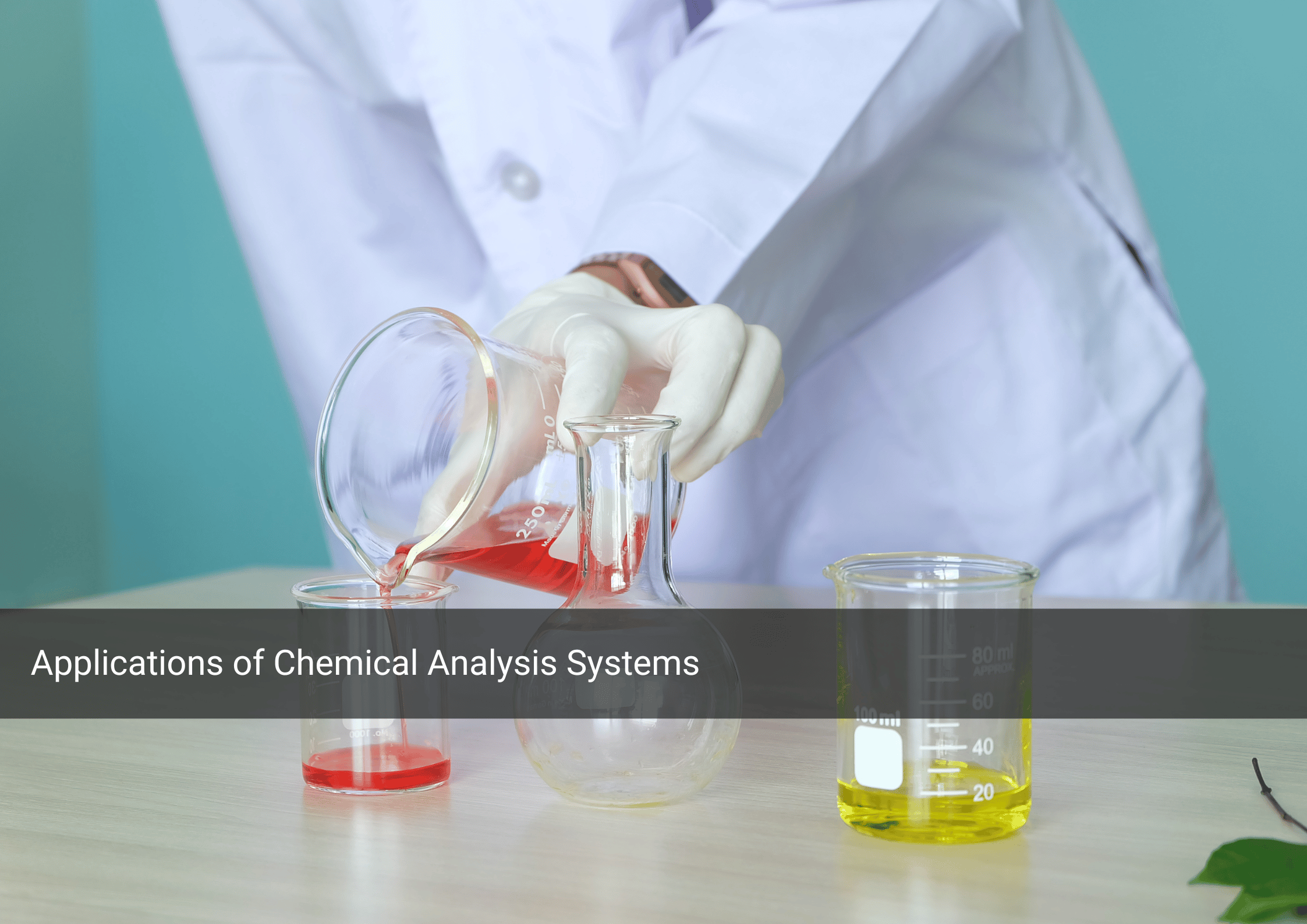
Chemical analysis systems are widely used in laboratories to identify the composition of materials and study chemical properties. These systems allow researchers to analyze substances accurately and support scientific research, product development, and industrial testing. In Malaysia, chemical analysis technologies are commonly used across industries such as manufacturing, environmental testing, and pharmaceutical research.
Material Composition Analysis
Chemical analysis systems allow laboratories to determine the elements and compounds present in a sample. By identifying material composition, researchers can evaluate material quality and detect contaminants.
Material composition analysis is essential for product development, research experiments, and industrial quality control.
Environmental Testing and Monitoring
Chemical analysis systems are often used in environmental laboratories to monitor air, water, and soil quality. These systems allow researchers to detect pollutants and evaluate environmental conditions.
Environmental monitoring helps organizations comply with environmental regulations and maintain safe environmental conditions.
Industrial Quality Control Testing
Manufacturing industries rely on chemical analysis systems to maintain product quality. By analyzing raw materials and finished products, laboratories can ensure that materials meet industry standards.
Laboratories performing industrial testing may rely on suppliers such as Obsnap Group, which provide laboratory scientific instruments used for material testing and analysis.
Spectroscopy-Based Analysis
Spectroscopy is one of the most widely used technologies in chemical analysis. Spectroscopic systems allow laboratories to identify elements by analyzing how materials interact with electromagnetic radiation.
Analytical laboratories may use equipment supplied which provide advanced laboratory systems used for chemical and elemental analysis.
Research and Academic Laboratory Applications
Universities and research institutions frequently use chemical analysis systems to conduct scientific experiments. These systems allow researchers to analyze chemical reactions, identify unknown substances, and study material behavior.
Chemical analysis technologies support innovation and scientific discovery across multiple research fields.
Conclusion
Chemical analysis systems are essential tools for laboratories conducting research, industrial testing, and environmental monitoring. These systems help researchers understand material composition and evaluate chemical properties.
With reliable analytical equipment, laboratories in Malaysia can perform accurate chemical analysis and support scientific and industrial development.