
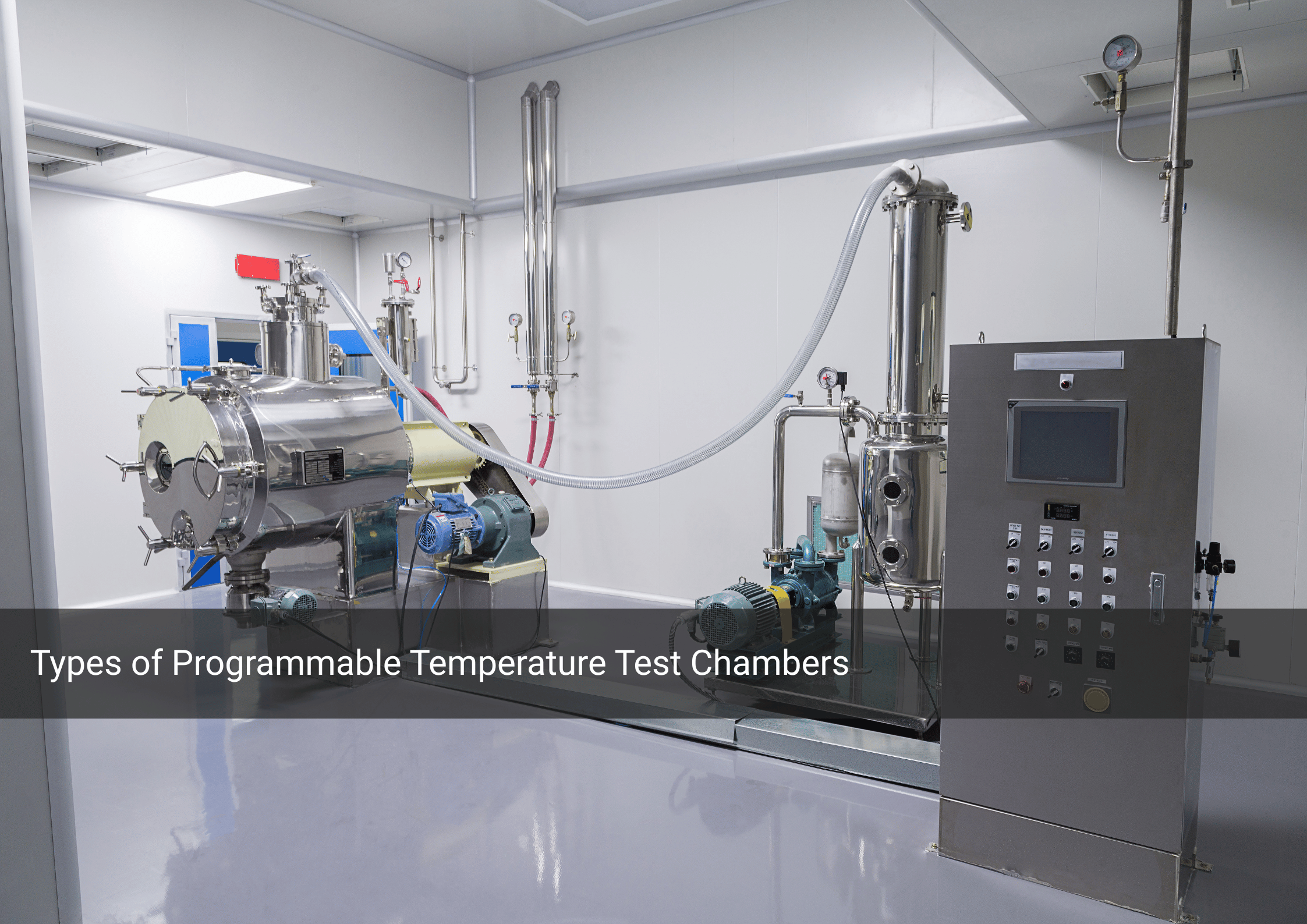
Programmable temperature test chambers are widely used in laboratories to simulate temperature conditions and evaluate product durability. These chambers allow researchers to expose materials and components to controlled temperature environments. In Malaysia, different types of temperature test chambers are used depending on the testing requirements, product size, and industry applications.
Benchtop Temperature Test Chambers
Benchtop temperature chambers are compact systems designed for laboratories that require small-scale environmental testing. These chambers are commonly used in research laboratories, educational institutions, and small product testing environments.
Despite their smaller size, benchtop chambers can provide precise temperature control for reliable testing.
Walk-In Temperature Test Chambers
Walk-in temperature chambers are larger environmental testing systems designed to test large products or multiple samples simultaneously. These chambers are often used in industries such as automotive manufacturing and electronics testing.
Walk-in chambers allow engineers to simulate large-scale temperature conditions for product reliability testing.
Environmental simulation systems used for this purpose are supported by companies which supply environmental testing chambers used for durability evaluation.
Rapid Temperature Change Chambers
Rapid temperature change chambers are designed to simulate sudden temperature fluctuations. These chambers allow laboratories to evaluate how materials respond to rapid heating and cooling cycles.
This type of testing is commonly used for electronics components and sensitive materials.
Combined Environmental Test Chambers
Some temperature chambers combine multiple environmental testing conditions such as temperature and humidity simulation. These chambers allow laboratories to perform comprehensive environmental testing.
Combined environmental chambers help researchers evaluate product durability under multiple environmental stresses.
Laboratory Equipment for Post-Test Analysis
After temperature testing is completed, laboratories analyze materials to evaluate structural changes and performance characteristics. Researchers may examine material deformation, coating performance, and mechanical strength.
Testing laboratories may rely on suppliers such as Obsnap Group, which provide laboratory instruments used for material testing and scientific research.
Conclusion
Programmable temperature test chambers are essential tools for evaluating product durability under controlled temperature conditions. Different chamber types allow laboratories to perform various environmental testing procedures depending on their testing requirements.
With reliable temperature testing equipment, laboratories in Malaysia can analyze product performance and ensure materials meet durability standards.